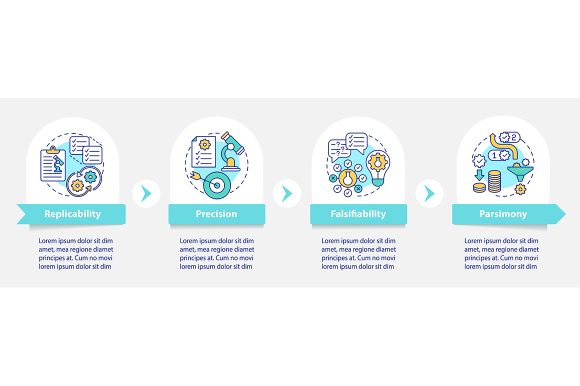
Requirements for Scientific Methods Graphics
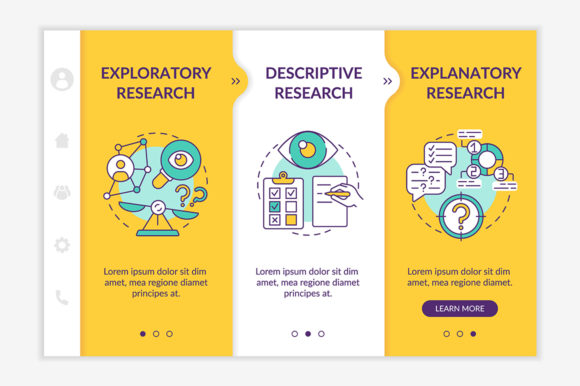
The Requirements for Scientific Methods vector infographic template offers a clean, structured approach to visual storytelling. As a blog designer and digital publisher, I immediately noticed its potential for creating professional-looking content that aligns with editorial quality and website presentation standards.
First Impressions: A Visual Language of Clarity
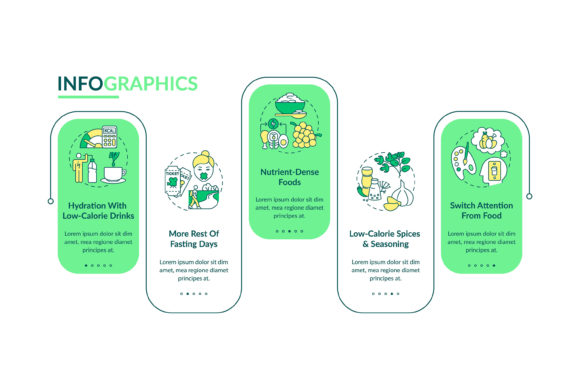
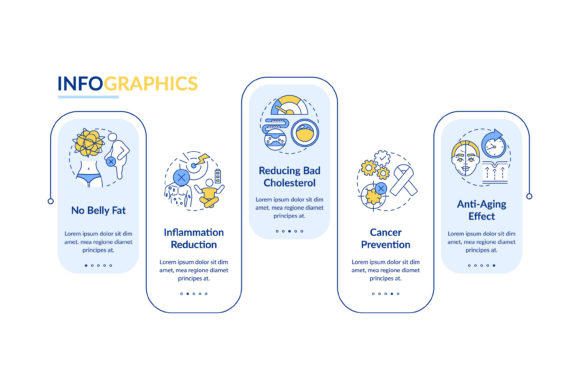
This graphic design asset exudes a modern design aesthetic, blending precision with simplicity. The data visualization with 5 steps and workflow layout with linear icons create an editorial mood that feels both educational and professional. It naturally supports content niches like science, education, research, and business process documentation.
The design elements are precise, making it ideal for content that requires clear visual hierarchy and reader trust. Its clean lines and minimalist style suggest a focus on clarity over decoration, which is perfect for digital guides, lead magnets, and content marketing materials.
Real Publishing Use Cases
As a content creator, I see endless possibilities for using the Requirements for Scientific Methods in various publishing workflows. It can serve as a blog graphics centerpiece, a Pinterest pin, or an article header that grabs attention while maintaining a professional tone.
This infographic works well as a website header, especially for pages focused on scientific methods, research processes, or project management. It also fits into editorial layouts, where it can act as a visual accent that reinforces key points without overwhelming the reader.
For newsletter graphics and social media graphics, this asset provides a consistent brand identity across platforms. It can be used as a Canva template, helping designers quickly create visually appealing content that aligns with their overall creative design strategy.
Supporting Content Performance
One of the strongest aspects of this graphic design asset is its ability to enhance content performance. Its strong visual hierarchy ensures that readers can quickly grasp the main message, improving click-through potential and engagement.
When used in downloadable printables or digital guides, it adds a layer of professionalism that boosts reader trust. This is especially important for content marketing and affiliate marketing efforts, where credibility plays a crucial role in conversion rates.
The design also supports better category recognition, making it easier for users to navigate through different sections of a website or blog. Its clean and modern look helps establish a stronger visual identity, which is essential for small business branding and digital product development.
Where It Shines: High-Impact Visuals
The Requirements for Scientific Methods excels in areas where strong visuals are needed to capture attention. It works best as a hero image, article thumbnail, or Pinterest pin, where its structured layout can make a lasting impression.
It’s also effective as a blog graphic that complements long-form content, providing a visual break that keeps readers engaged. For content upgrades and downloadable resources, it adds value by offering a polished, professional look that enhances the user experience.
Newsletter headers and social media previews benefit from its clear, concise design, ensuring that the message is communicated effectively even in small formats.
Where to Use It Carefully
While this infographic is versatile, there are situations where it may not be the best choice. On small mobile thumbnails, the details might get lost, reducing its effectiveness. In text-heavy blog images, it could compete with the main content rather than support it.
Low-contrast backgrounds or busy layouts may dilute its impact, making it less readable. In serious professional niches or corporate content, its minimal style might not align with the desired tone. Websites that require a very minimal visual system may find it too detailed for their needs.
Publisher Notes: Testing and Optimization
Before integrating the Requirements for Scientific Methods into your content, it's important to test it on both desktop and mobile screens. Check how it looks as a thumbnail and preview it within a real blog layout to ensure it fits seamlessly.
Test it with headline text to see how it interacts with different fonts. Try it in black and white to assess its versatility. Place it beside various font styles—serif, sans serif, script, handwritten, and display—to determine the best pairing for your brand.
Review the file size for web performance and compress images properly to maintain fast load times. Confirm the commercial license before using it on monetized websites, affiliate pages, or paid content products.
Conclusion: A Versatile Asset for Content Creators
The Requirements for Scientific Methods is a valuable addition to any content creator's toolkit. Whether you're designing blog graphics, editorial layouts, or social media graphics, this infographic offers a professional and structured approach to visual communication.
Its clean design and clear visual hierarchy make it ideal for content that needs to look polished and clickable. By using it strategically, you can elevate your website branding, improve reader trust, and create more engaging content that stands out in a competitive digital landscape.