Personal Branding Rules
As an embroidery designer and product reviewer, I often find myself evaluating digital files for real-world use. Personal Branding Rules caught my attention not just for its clean, professional look, but for how it could translate into practical embroidery projects. This vector infographic template offers a structured approach to personal branding, making it ideal for small business owners, Etsy sellers, and crafters looking to add value to their handmade products.
First Impressions: A Design That Speaks to Purpose
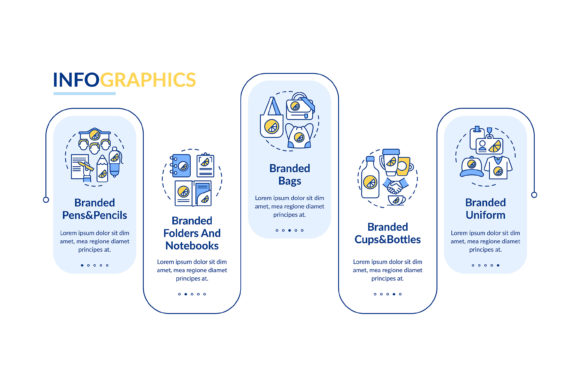
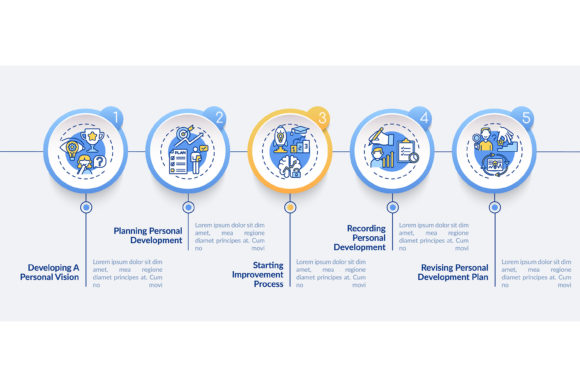
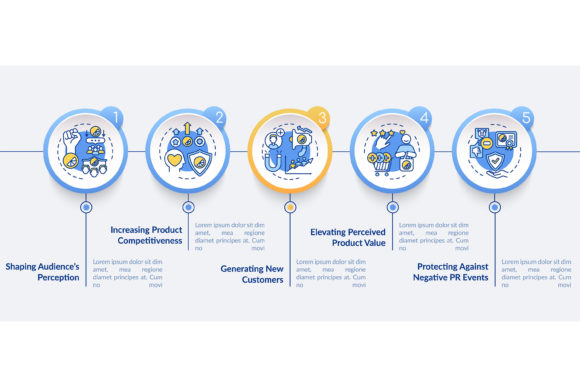
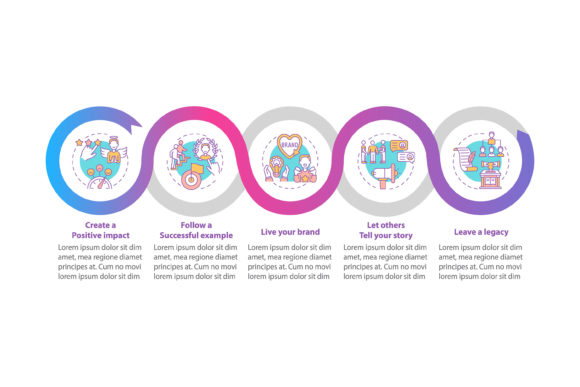
The first thing that stands out about Personal Branding Rules is its clarity. The layout is straightforward, with a linear design that emphasizes process over ornamentation. It’s the kind of design that feels like a blueprint—intentional, organized, and ready to be adapted. The 5-step structure and workflow layout make it easy to follow, which is great for anyone who wants to communicate a message quickly and effectively.
The visual personality is modern and minimal. It doesn’t try to be flashy or overly decorative, which makes it versatile. The linear icons and data visualization elements suggest a focus on professionalism and efficiency. This is a design that would work well in a variety of settings, from custom apparel to printable mockups for digital product sellers.
Real-World Embroidery Use: Where It Shines
I tested Personal Branding Rules on a few different fabrics and found that it translates well to most standard embroidery projects. Whether I was working on a tote bag design, a sweatshirt, or an embroidered patch, the design maintained its integrity without becoming too busy or overwhelming.
For example, when I used it on a tote bag, the design looked clean and readable. The line work was sharp, and the spacing between elements allowed for proper stitch density. On a baby onesie, the design didn’t feel too formal—it still had a professional edge but wasn’t so rigid that it didn’t fit the playful nature of the item.
This design works especially well on larger hoop sizes. If you’re using a smaller hoop, you might need to adjust the placement or scale the design down carefully. But for most standard embroidery machines, it should fit comfortably without requiring excessive repositioning.
Where to Be Cautious: Design Limitations
While Personal Branding Rules is a strong design, there are a few areas where it might not perform as well. For instance, if you’re trying to embroider this on a textured fabric or something with a lot of stretch, the details might get lost. Thin or dark fabrics could also pose a challenge, especially if the thread color isn’t contrasting enough.
Another thing to consider is the level of detail. While the design is clean, some of the smaller elements—like the linear icons—might not hold up well on curved surfaces like caps or on items with a lot of movement, such as aprons or pillow covers. You’d want to test it on a scrap piece of fabric before committing to a full project.
Impact on Visual Appeal and Customer Perception
When it comes to visual appeal, Personal Branding Rules has a subtle but effective presence. It doesn’t scream for attention, but it commands respect. This is important for small business owners and Etsy sellers who want to present their work as professional and polished.
Stitching clarity is another key factor. The design uses a mix of running stitch and satin stitch, which gives it a balanced look. It’s not too dense, which helps prevent puckering or distortion on delicate fabrics. For a handmade product, this kind of clarity can significantly boost customer trust and satisfaction.
From a branding perspective, this design is consistent and cohesive. It reinforces the idea of a structured, intentional brand, which is exactly what many creative entrepreneurs are aiming for. Whether it’s used on a custom t-shirt or a holiday gift, it adds a layer of professionalism that can elevate the perceived value of the finished product.
Practical Designer Notes: What to Check Before Using
Before jumping into any embroidery project, I always recommend testing the design on a scrap piece of fabric. This helps you see how the stitches will look and whether the design will hold up under different conditions. For Personal Branding Rules, I’d suggest checking the thread color contrast, especially if you’re using a dark fabric.
Stitch density is another thing to watch. If the design is too dense, it might cause issues on thin or stretchy fabrics. You’ll also want to confirm the hoop size required for your machine. Some designs might need to be split into sections if they don’t fit in a single hoop.
If you're planning to sell finished items or digital products, be sure to check the licensing terms. While the design itself is clean and professional, the rights to use it commercially may vary depending on the source.
Best Fit: Who Will Benefit Most?
Personal Branding Rules is best suited for embroidery designers, small business owners, and crafters who want to add a touch of professionalism to their work. It’s perfect for custom apparel, personalized gifts, and commercial embroidery projects. Whether you’re creating a tote bag design for a boutique shop or a sweatshirt embroidery for a client, this design offers a solid foundation.
It also works well for digital product sellers who need printable mockups or design assets. The clean layout and structured approach make it easy to adapt for different purposes, whether it’s for a craft fair product or an Etsy listing.
Final Thoughts: A Design That Works When Used Right
Personal Branding Rules is a well-crafted design that brings clarity and purpose to any embroidery project. It’s not the flashiest option out there, but it’s one of the most practical. For those looking to create a professional-looking finished product, this design offers a solid starting point.
Whether you're an experienced embroidery designer or just starting out, this template can help you deliver better results. Just remember to test it on different fabrics, check the stitch density, and ensure it fits your specific project needs. With the right approach, Personal Branding Rules can become a valuable addition to your design toolkit.