Leg Prostheses Tasks Vector Infographic
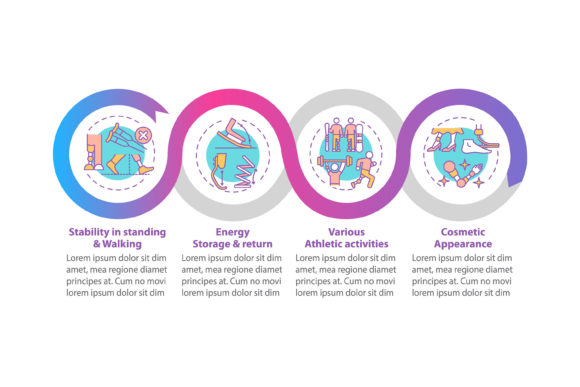
As a brand designer, I often look for graphic design assets that can elevate a small business’s visual identity without overwhelming their message. The Leg Prostheses Tasks Vector Infographic caught my attention for its clean layout and structured approach to data visualization. This infographic template offers a modern design with a focus on stability, energy storage, and workflow processes—making it ideal for businesses looking to communicate complex ideas in a clear and professional way.
First Impressions: A Modern and Structured Visual Language
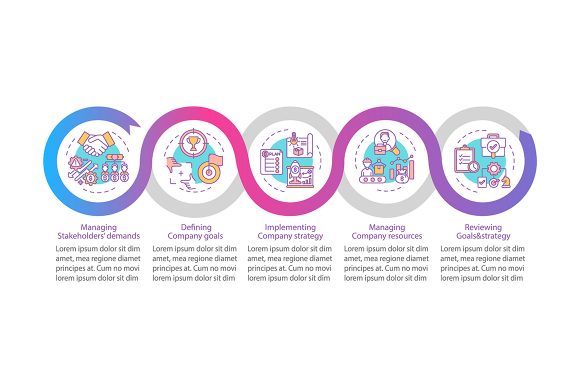
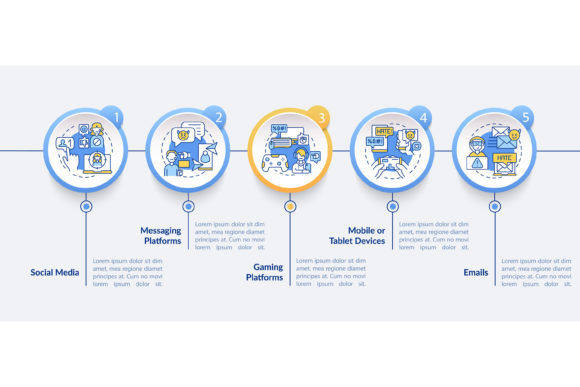
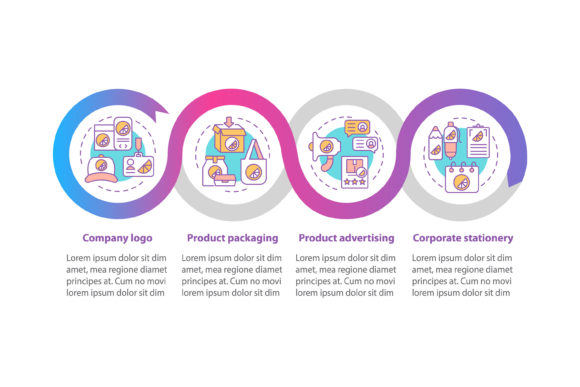
The Leg Prostheses Tasks Vector Infographic immediately conveys a sense of professionalism and clarity. Its linear icons and process timeline chart suggest a design that is both functional and aesthetically pleasing. The style leans toward a modern, slightly technical aesthetic, which could work well for businesses in the healthcare, fitness, or educational sectors. However, with some tweaks, it could also fit into a more creative or artisanal brand identity.
This infographic feels like a strong addition to any brand identity that values structure and precision. It has a premium feel that could support a local business aiming to project expertise and reliability. Whether used for product packaging or social media graphics, it adds a level of sophistication that many handmade or boutique brands may find valuable.
Real-World Applications for Small Business Branding
For a small business, especially one focused on product packaging or promotional materials, the Leg Prostheses Tasks Vector Infographic can serve multiple purposes. Imagine using it as part of a product label for a wellness supplement or as a background element on a menu board for a health-focused café. Its structured layout makes it easy to integrate into various design formats, from digital to print.
It can be used in logo design to create a visual motif that reinforces a brand’s core values. For example, a skincare brand might use the infographic’s linear icons to represent a step-by-step skincare routine. In packaging design, the infographic could act as a decorative accent, helping to differentiate a product on the shelf while maintaining a cohesive brand identity.
Additionally, this graphic design asset is perfect for printable design elements such as thank-you cards, hang tags, or seasonal packaging. Its vector format ensures scalability, making it adaptable for both large banners and small labels. As a Canva template, it could also be a useful tool for social media managers looking to create consistent and professional-looking campaign visuals.
Supporting Business Presentation and Customer Trust
One of the key strengths of the Leg Prostheses Tasks Vector Infographic is how it supports stronger first impressions. In a competitive market, a well-designed visual can make all the difference in capturing a customer’s attention. This infographic helps establish a visual hierarchy that guides the viewer’s eye through the content, making it easier for customers to understand a brand’s message quickly.
For a local business, this kind of design can enhance product recognition and build trust. When a brand consistently uses high-quality design assets, it signals to customers that the business is professional and invested in its image. This is especially important for handmade or small-scale businesses that may not have the same level of brand visibility as larger competitors.
Improved shelf appeal is another benefit. With the right application, the infographic can add visual interest to product packaging without being distracting. It can also help reinforce a brand’s story, making it easier for customers to connect emotionally with the products they’re buying.
Best Uses for the Leg Prostheses Tasks Vector Infographic
This infographic works best as a decorative brand element or a hero graphic on promotional materials. It can be used in product mockups to showcase how a brand’s message translates into real-world applications. For a boutique store, it could serve as a background for window displays or a focal point in a seasonal campaign.
In social media graphics, the infographic can be adapted to highlight a brand’s process or philosophy. As a printable design, it can be included in customer communications or as a downloadable resource for clients. For editorial design or web design projects, it provides a clean and professional look that aligns with modern design trends.
When to Use It Carefully
While the Leg Prostheses Tasks Vector Infographic is versatile, there are situations where it should be used with caution. In formal corporate branding, its structured layout may not align with a more abstract or minimalist approach. For very small labels, the details might become too crowded or hard to read.
It’s also important to avoid placing it in areas with low-contrast backgrounds or alongside dense text. In legal or ingredient-heavy layouts, the infographic could compete with essential information. Luxury minimalist brands may find the design too busy, and in cases where the decoration overshadows the message, it could detract from the overall impact.
Practical Designer Notes for Real Projects
Before finalizing the use of the Leg Prostheses Tasks Vector Infographic, I recommend testing it on real packaging mockups to see how it scales. Check how it looks in black and white to ensure it remains legible. Preview it on small labels to confirm that the details remain clear and readable.
Test the design with your brand colors to ensure it complements your palette. Compare it with competitor packaging to maintain a unique visual identity. Review PNG transparency if you plan to use it on transparent backgrounds, and inspect SVG editability for future customization.
Also, test the infographic beside different font styles—serif, sans serif, script, handwritten, and display fonts—to see how it interacts with your typography. Finally, always confirm commercial licensing before using it for client work, business branding, or physical product sales.