Health Programs Principles Infographic
As an embroidery designer and product reviewer, I’ve evaluated countless digital files for real-world use. The Health Programs Principles Infographic stands out as a clean, structured design that could work well in specific applications. But like any vector template, it requires thoughtful consideration before stitching or selling.
First Impressions: A Professional, Data-Driven Design
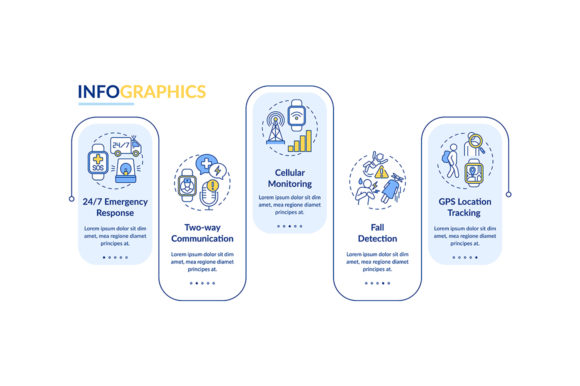
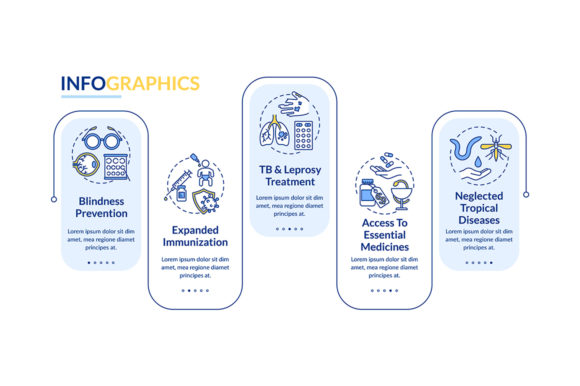
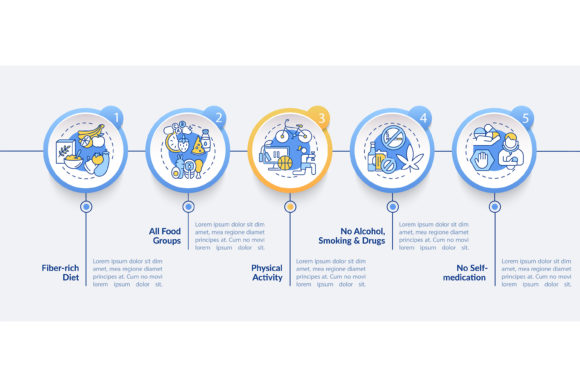
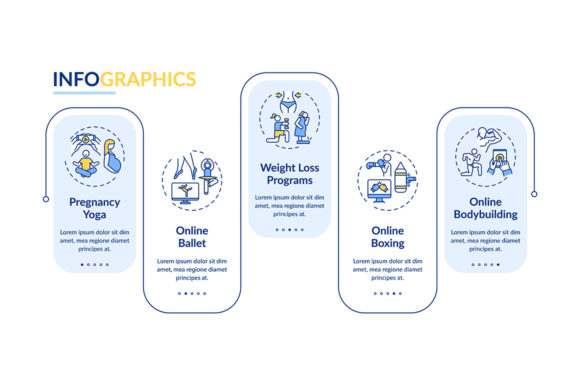
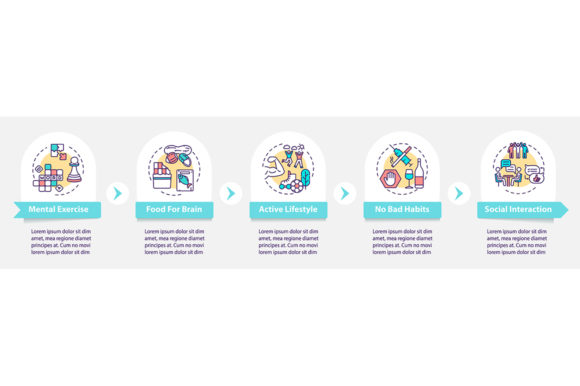
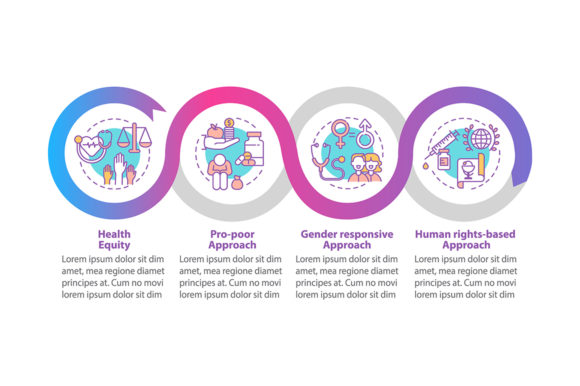
The Health Programs Principles Infographic immediately conveys a sense of organization and clarity. Its layout is straightforward, with a focus on data visualization through a four-step process and a linear workflow chart. The use of icons and minimal text makes it easy to digest, which is ideal for educational or informational purposes.
The design feels most at home in a professional or academic setting. It’s not the kind of file you’d want for a bold, artistic embroidery project, but it could serve as a subtle, informative element on custom apparel or printed materials. The gender-responsive presentation design elements suggest it was created with inclusivity in mind, which adds value for small business owners looking to appeal to a broad audience.
Real-World Embroidery Use Cases
Imagine you’re creating a custom embroidered tote bag for a wellness workshop. The Health Programs Principles Infographic could be a great fit if the design is simplified or adapted for embroidery. However, its detailed layout might not translate well to a single-color satin stitch or fill stitch without some modifications.
For a sweatshirt or baby onesie, the design could work as a patch or applique. The linear icons and step-by-step format would look neat and professional, especially if you use a limited color palette. But keep in mind that the design’s complexity may require careful planning to ensure it stitches cleanly and remains visible on fabric.
This infographic also has potential for holiday gifts or personalized items. For example, a custom embroidered pillow cover featuring the design could make a thoughtful, meaningful gift for someone interested in health programs. However, the effectiveness depends on how well the design scales and how it interacts with the fabric texture.
Where to Be Cautious
The Health Programs Principles Infographic isn’t ideal for all embroidery projects. If you’re working with small hoop sizes, this design may not fit without resizing, which can distort details. Similarly, on textured or stretchy fabrics, the fine lines and small icons may become less visible or distorted during stitching.
Thin or dark fabrics could also pose challenges. The design’s white space and subtle color contrasts might not show up well on black or dark backgrounds. You’ll need to test it on different fabric types and adjust thread colors accordingly. For instance, using a contrasting thread color could help the design stand out more clearly.
On curved surfaces like caps or hoods, the linear layout of the infographic may appear stretched or uneven. This is something to consider if you’re planning to use the design on a cap or a hat. Also, if the design includes tiny lettering or intricate corners, those areas may not stitch well unless you simplify them or adjust the stitch density.
Impact on Visual Appeal and Customer Perception
When used appropriately, the Health Programs Principles Infographic can add a touch of professionalism to your handmade products. It’s a good choice for businesses focused on health, education, or community programs. However, its effectiveness depends on how well it integrates with the overall design of the finished product.
Customers often associate clear, well-organized visuals with trust and quality. If the design is too busy or complex, it may confuse rather than inform. On the other hand, a simplified version of the infographic could enhance the visual appeal of a custom t-shirt or apron, making it more appealing to buyers who appreciate informative, stylish designs.
For Etsy sellers or small shop owners, the design could be a valuable addition to your digital product library. But remember, the success of the design depends on how well it fits your brand and what your customers expect. If your target audience prefers bold, eye-catching designs, this infographic may not be the best fit.
Practical Designer Notes
Before committing to a project, always test the Health Programs Principles Infographic on scrap fabric. This will help you see how the design looks in real life and identify any issues with stitch density or visibility. Pay close attention to the fine details—tiny icons or thin lines may not hold up well during stitching.
Check the thread color contrast against the fabric you plan to use. A white design on a light background may look great, but it could be hard to see on darker materials. Consider using a stabilizer to prevent puckering, especially if you’re working with delicate or stretchy fabrics.
If you’re planning to sell the finished product or digital file, make sure you understand the licensing terms. Even though the design is described as a vector template, you’ll want to confirm whether it’s suitable for commercial use and if there are any restrictions on how it can be modified or distributed.
Finally, think about how the design will look in a printable mockup. If you’re creating a digital product for sale, the Health Programs Principles Infographic should be visually appealing in both light and dark backgrounds. This ensures it works across different platforms and customer preferences.
Conclusion: A Useful Tool for the Right Project
The Health Programs Principles Infographic is a solid design for specific use cases. It excels in educational or professional settings where clarity and structure matter. However, it’s not a one-size-fits-all solution for embroidery projects.
If you’re looking for a clean, data-driven design that can be adapted for custom apparel, patches, or printable assets, this infographic could be a good fit. Just be mindful of its limitations and test it thoroughly before using it in a final product. With the right approach, it can add value to your craft business or handmade shop offerings.