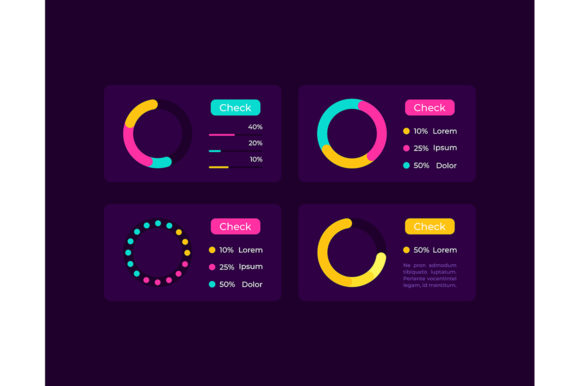
Graphics and Infographics for Language Proficiency
As a brand designer, I often look for graphic design assets that can elevate a small business’s visual identity without overwhelming it. The Language Proficiency Vector Infographic caught my attention for its clean layout, structured data visualization, and professional appeal. This infographic template offers a modern design that can be adapted to various branding needs, from product labels to social media graphics.
First Impressions: A Professional Yet Approachable Mood
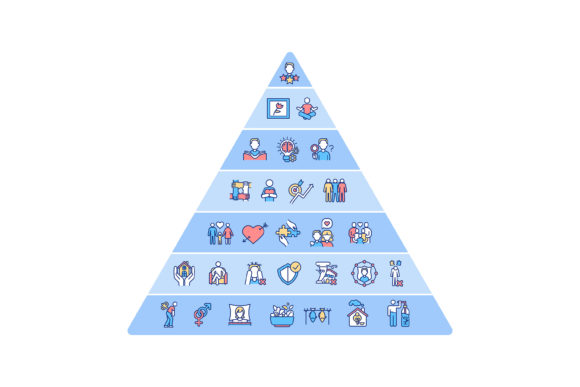
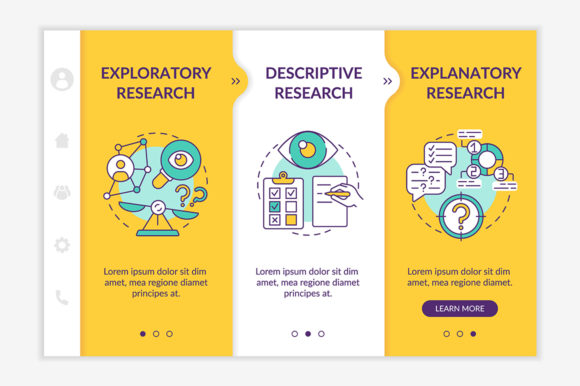
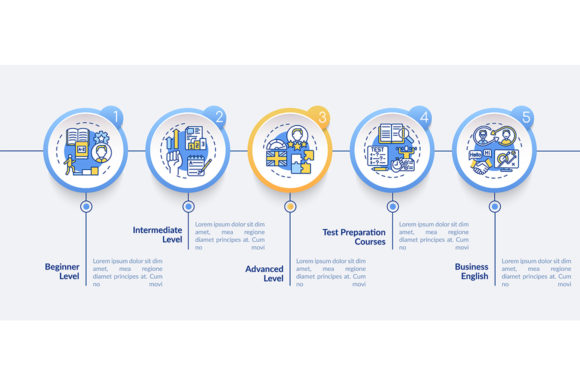
The Language Proficiency Vector Infographic has a sleek, organized feel that suggests clarity and efficiency. Its use of linear icons and a process timeline chart creates a sense of order, making it ideal for businesses that want to communicate complex information in a simple way. The design feels modern and professional, yet not overly formal—making it suitable for a wide range of local businesses, including cafes, boutique shops, and handmade product sellers.
This infographic template could work well for a skincare brand looking to explain their product development process or a bakery aiming to showcase their recipe journey. Its visual hierarchy and data-driven layout make it easy to adapt for different brand personalities, whether they’re looking for a more elegant or playful tone.
Real-World Applications for Small Business Branding
When working on a small business branding project, the Language Proficiency Vector Infographic can serve as a versatile design asset. It can be used in logo design to create a visual motif that ties into the brand’s messaging. For packaging design, it can act as a decorative element on product labels or as part of a product mockup that highlights key features.
It also works well for printable design elements like thank-you cards, stickers, or menu graphics. For a coffee shop, this infographic could be used to illustrate the steps in their brewing process, adding an educational and engaging touch to their branding. In a food business, it could help clarify ingredient sourcing or production timelines, enhancing customer trust and transparency.
Supporting Business Presentations and Marketing Visuals
One of the strongest aspects of the Language Proficiency Vector Infographic is its ability to support business presentations. Whether it’s part of a digital product or a printed brochure, it helps create a stronger first impression by organizing information in a clear and visually appealing way.
For a handmade soap business, this infographic could be used to show the stages of their natural production process, reinforcing the brand’s commitment to quality. It also improves product recognition by providing a consistent visual language across all marketing materials. When used in social media graphics or website banners, it enhances the overall visual hierarchy and makes the brand appear more polished and professional.
Where It Works Best: Packaging, Promotional Banners, and Social Media
The Language Proficiency Vector Infographic shines when used as a hero graphic on product packaging or promotional banners. Its structured layout allows it to stand out on a shelf without competing with other design elements. For seasonal campaigns, it can be adapted to highlight limited-time offers or special editions, making it a valuable addition to a brand’s creative toolkit.
It also works well as a decorative brand element in boutique visuals or as part of a social media campaign. For a candle brand, this infographic could be used to explain the scent development process, adding a storytelling aspect to their marketing efforts. Its clean lines and linear icons make it easy to integrate into a variety of design styles, from rustic to modern.
Where to Use It Carefully: Formal Branding and Text-Heavy Layouts
While the Language Proficiency Vector Infographic is highly adaptable, there are situations where it may not be the best choice. In formal corporate branding, its design might feel too casual or busy. For very small labels, the level of detail could become lost, making it hard to read at a glance.
In crowded product packaging or layouts with a lot of text, this infographic could distract from the main message. It should also be avoided in areas where legal information or ingredient lists are displayed, as it may not align with the required typography or formatting standards. Low-contrast backgrounds or luxury minimalist brands may find the infographic too decorative for their aesthetic.
Practical Designer Notes: Testing and Licensing
Before finalizing any design, I always recommend testing the Language Proficiency Vector Infographic on real packaging mockups. Check how it looks in black and white, on small labels, and alongside different brand colors. Preview it next to various font styles—serif, sans serif, script, handwritten, and display—to ensure it complements the overall design.
Review the PNG transparency and inspect the SVG or vector editability to make sure it can be customized as needed. Confirm the commercial license to ensure it can be used for client work, business branding, or physical product sales without legal issues. Compare it with competitor packaging to see how it stands out in the market.
For a local business, this infographic can be a powerful tool in creating a cohesive brand identity. Whether used in packaging design, social media graphics, or promotional ads, it adds a layer of professionalism and clarity that resonates with customers. As a brand designer, I find it particularly useful when working on projects that require clear communication and a strong visual presence.